Best Digicams for Beginners in Australia (2026)
If you have never owned a camera that wasn't a phone, the digicam world can look needlessly complicated.
Tested & written by Dear Digi · every camera we sell is photographed and tested by hand before it goes on the shelf.
CCD or CMOS. 8 megapixels or 16. Canon IXUS or PowerShot. Tiny pocket camera or chunky superzoom. Then there are twenty-year-old batteries, unfamiliar memory cards and hundreds of camera models that all seem to look almost identical.
The good news is that choosing your first digicam is much simpler than the internet makes it seem.
You do not need the rarest model. You do not need the highest megapixel count. And you definitely do not need to spend two weeks comparing sensor specifications.
You mostly need a camera that works, fits naturally into your life and makes you want to take it with you.

First: what actually is a digicam?
When people talk about digicams today, they usually mean the small digital cameras that were everywhere before smartphones took over — particularly compact cameras from the mid-2000s through the early 2010s.
They lived in handbags, jacket pockets and gloveboxes. They came to birthdays, school formals, nights out, holidays and family dinners. Then phones became good enough that millions of them ended up forgotten in drawers.
Now they're coming back.
Part of that is nostalgia, but that isn't the whole story.
Modern phones are extraordinarily capable, yet they make a huge number of decisions before you ever see the photograph. They sharpen it, brighten shadows, combine exposures, reduce noise and process colour in ways designed to make almost every image technically clean.
A little old digital camera does much less.
The result can be softer, stranger, harsher and sometimes less technically perfect — but also more distinctive.
Flash can be unapologetically bright. Highlights can disappear. Dark rooms actually look dark. Colours can shift. Grain appears. Sometimes you miss focus.
And somehow the photographs often feel more like photographs because of it.
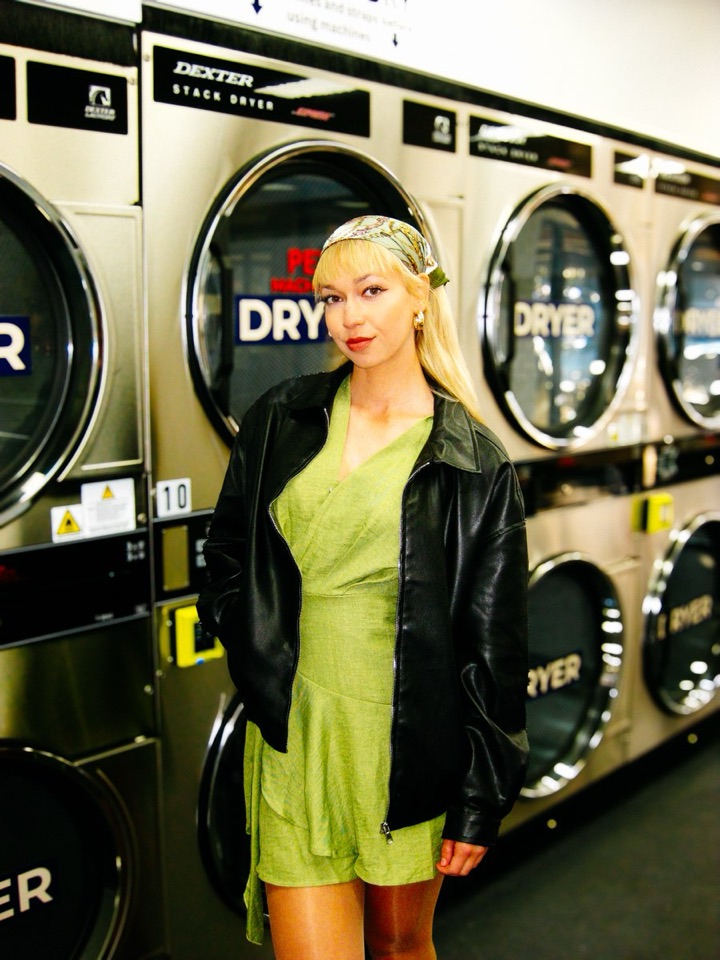
What actually matters when buying your first digicam
1. That it works — and somebody has actually checked
This is the most important thing in the entire guide.
Most of the cameras people are shopping for today are somewhere around fifteen to twenty years old. Age itself isn't a problem, but it means condition matters far more than a specification sheet.
Lens mechanisms can stick. LCD screens can develop lines or dead areas. Battery doors loosen. Flash capacitors fail. Zoom motors become noisy. Buttons stop responding. Batteries can show a full charge and then die ten minutes later.
A camera that has been switched on once and described as "working" is not the same thing as one that has actually been tested.
At minimum, we'd want to know that the camera powers on reliably, the lens extends and retracts properly, autofocus works, zoom works throughout its range, flash fires, photographs save correctly and can be played back, buttons respond, and the battery holds a usable charge.
That matters much more than whether the camera has 10 megapixels or 14.
The one-minute check
If you're looking at a camera in person:
- Turn it on.
- Zoom all the way in and back out.
- Take one photograph without flash.
- Take another with flash.
- Play both photographs back.
- Press the main buttons and menu controls.
- Turn it off and back on again.
A surprising number of common compact-camera faults reveal themselves immediately.
2. That you'll actually carry it
The best first digicam isn't necessarily the most impressive one.
It's the one that somehow keeps ending up in your pocket.
This matters more than people expect.
A superzoom might give you a huge focal range and more controls, but if it feels annoying to take out for dinner, it might spend most of its life at home.
A tiny IXUS with half the zoom might make five times as many photographs simply because it lives in your bag.
Think about where you're realistically going to use it.
Nights out and everyday life?
Choose something genuinely pocketable.
Travel?
A slightly larger camera with more zoom may be worthwhile.
Concerts, wildlife or distant subjects?
A superzoom starts making more
sense.
You just want that classic flash-camera experience?
Keep it simple.
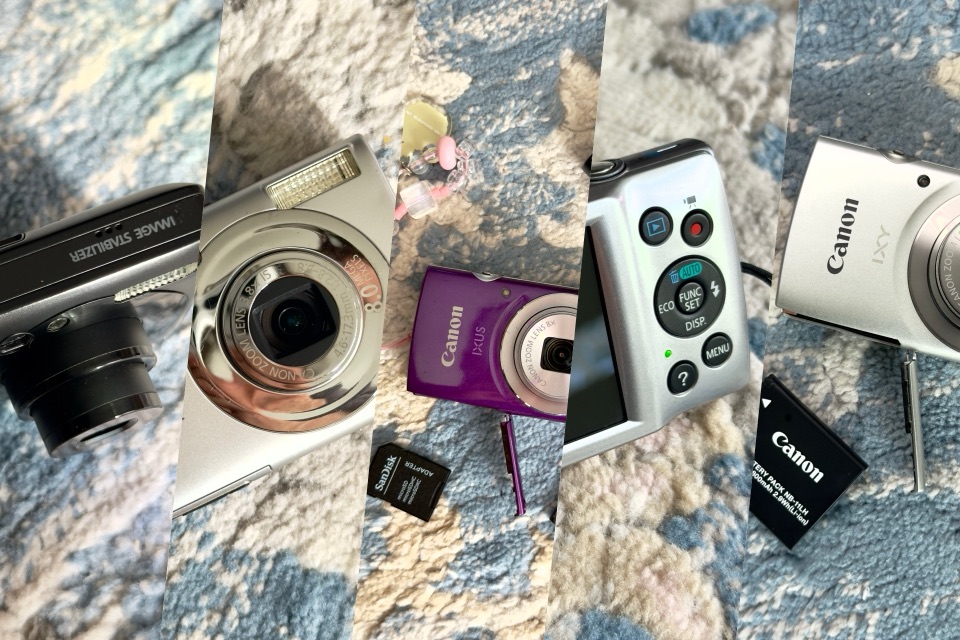
3. Check the battery and memory card before anything else
This is one of the least glamorous parts of buying an old camera, but it can save you a lot of frustration.
Many cameras from this era use SD cards, but not all of them. Some use older Memory Stick or xD formats, and even cameras that accept SD cards can have capacity limitations depending on their age.
Before buying, check exactly what the model takes and whether that card is still easy to source.
The same goes for batteries.
Most compact cameras use a rechargeable model-specific lithium battery. Replacement batteries are still widely available for many popular Canon, Nikon, Sony, Olympus, Panasonic and Fujifilm models, but availability varies.
A beautiful camera isn't much fun if the battery lasts twelve minutes and replacements are impossible to find.
Ideally, your first camera arrives with:
- a working battery
- a compatible charger
- a suitable memory card
- enough charge to start shooting immediately
It sounds basic, but it changes the whole experience.
What doesn't matter nearly as much as you'd think
Megapixels
This is probably the easiest specification to ignore.
An 8-megapixel camera from 2008 and a 16-megapixel camera from 2013 are both capable of producing images far larger than you need for Instagram, phone viewing and ordinary prints.
More megapixels also didn't automatically mean better image quality, particularly on the tiny sensors used in compact cameras.
In fact, squeezing more pixels onto a similarly sized sensor could sometimes mean more visible noise rather than a dramatically better photograph.
Don't buy your first digicam because one listing says 16MP and another says 10MP.
You'll notice the lens, flash, processing and way the camera feels long before you notice the megapixel count.
Brand loyalty
Canon made lovely compact cameras.
So did Nikon.
So did Olympus, Sony, Panasonic and Fujifilm.
There are differences between brands and generations, but there is no single manufacturer that owns the "digicam look".
Choose the camera rather than the badge.
CCD vs CMOS
This one deserves a little nuance.
CCD cameras have become particularly sought after because people associate them with the colourful, nostalgic photographs now popular online.
There are plenty of wonderful CCD cameras.
But CCD is not a magic vintage-look button.
Lighting matters. Flash matters. The lens matters. White balance matters. The camera's internal processing matters.
And there are CMOS cameras that produce beautiful images too.
If you love a particular camera, don't reject it purely because somebody on TikTok told you it has the wrong sensor.


Different cameras, different conditions, same idea: there isn't one specification responsible for the look.
What your first digicam photos will actually look like
Coming from a modern phone, there are a few things you'll notice almost immediately.
And most of them are part of the fun.
Flash at night is much stronger
This is probably the biggest one.
A little built-in flash can light somebody two metres away while allowing the room behind them to fall almost completely into darkness.
Faces can be bright. Skin can shine. Metallic objects sparkle. Backgrounds disappear.
It's direct, imperfect and unmistakably camera-like.
A phone usually tries to balance the scene. A digicam often just fires the flash and lets the photograph happen.

Daylight looks softer
Modern phones apply enormous amounts of computational processing.
Old compact cameras don't.
Fine detail can look gentler. Highlights may clip earlier. Shadows can stay dark instead of being automatically lifted.
Sometimes the photograph looks less technically impressive when you zoom in — and better when you simply look at it.
The camera responds more slowly
Autofocus may take a moment.
Flash takes time to recharge.
There's often a small delay between pressing the shutter and the picture actually happening.
At first this feels like a disadvantage.
Then you begin anticipating photographs instead of endlessly firing frames.
That's one of the reasons using an old camera can feel surprisingly different from using a phone.
The screen isn't the final photograph
Do not judge everything from the LCD.
Many old compact-camera screens are tiny, low-resolution and not particularly colour accurate.
Photographs that look flat or slightly strange on the camera can look completely different once transferred to a computer or phone.
So don't spend the night deleting everything.
Get home first.
Low light gets noisy
When there isn't enough light and you're not using flash, older small sensors can produce visible noise.
Sometimes that texture suits the photograph.
Sometimes it doesn't.
That's normal.
Digicams aren't magic film emulators. They're old digital cameras, with strengths and limitations of their own.
Which type suits you?
| Type | Good for | Trade-off |
|---|---|---|
| Slim compact | Everyday carry, nights out, travel | Usually modest zoom |
| Standard compact | More grip, simple controls, everyday photography | Slightly larger in a pocket |
| Superzoom | Travel, concerts, wildlife, distant subjects | Bulkier and less spontaneous |
For a first digicam, we'd usually point somebody toward a slim or standard compact.
They're simple, easy to carry and give you the classic compact-camera experience without asking you to think too much.
The camera you actually carry is the camera that earns its place.
The best first digicam isn't the most impressive one. It's the one that ends up in your pocket on an ordinary Tuesday.
How much should your first digicam cost?
There isn't one correct number.
In Australia, you'll see working compact cameras advertised everywhere from well under $100 to well over $600.
The difference isn't always image quality.
At the cheaper end, you're more likely to find private listings, incomplete accessories, unknown battery condition or cameras that haven't been thoroughly tested.
There can absolutely be bargains there — but you're taking on more of the checking yourself.
Around the $200–$400 range, you start seeing a lot of tested compact cameras from sellers who have already checked operation and include the basic accessories you need.
Above that, price is increasingly influenced by things like:
- popularity
- rarity
- colour
- condition
- collectability
- celebrity/social-media exposure
- particularly desirable models
A $500 camera does not automatically take photographs twice as good as a $250 camera.
For your first one, we'd rather see you buy a less-hyped camera in excellent working condition than stretch for a famous model with questionable condition.
If you want to see what's currently available, our cameras on the shelf update as individual cameras find new homes.
Three we'd start with
Here are a few current Dear Digi cameras that make approachable first choices. These change as stock sells, so the cameras shown here should always be ones that are actually available.
A few beginner mistakes we'd avoid
Buying the most famous model immediately
Popularity can push prices far beyond what a camera's actual photographic advantages justify.
Some famous cameras are excellent.
But your first digicam does not need to be the camera everybody is posting about this month.
Assuming expensive means better
Sometimes expensive means rare.
Sometimes it means pink.
Sometimes it means a celebrity used one.
None of those things automatically makes the camera better for you.
Choosing something too big
A camera can look compact in a product photograph and feel completely different once it's in your hand.
Check dimensions.
Better yet, look at photographs of somebody actually holding it.
Forgetting about accessories
A cheap camera without a charger, usable battery or correct memory card can stop being cheap quite quickly.
Look at the whole package.
Expecting every photograph to look "vintage"
A sunny beach photograph at midday isn't suddenly going to look like a 2007 nightclub photograph because the camera has a CCD sensor.
The look people associate with digicams often comes from the combination of:
direct flash + people + imperfect light + old-camera processing + the moment itself.
The camera is part of the recipe, not the entire recipe.

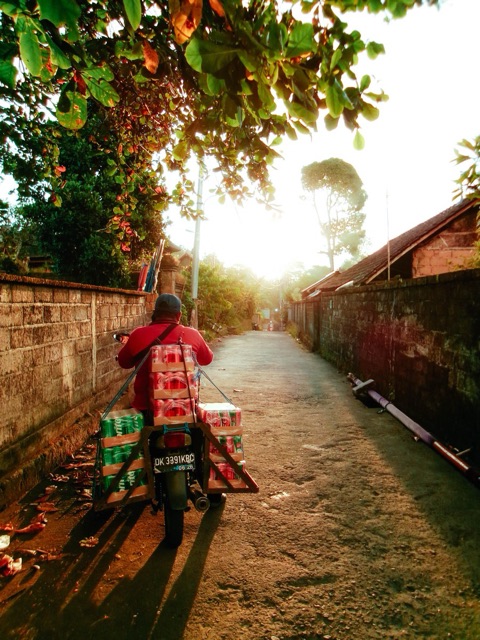


Four cameras, four kinds of light. One camera can produce very different results.
Before you buy from anyone
Whether you buy from Dear Digi, Marketplace, eBay, a vintage store or somebody clearing out a drawer, ask a few questions.
Has the camera actually been tested?
Not simply powered on — tested.
Are the listing photographs of the exact camera?
Stock photographs hide
condition.
Does the flash work?
For many people, that's half the reason they're
buying one.
Does the zoom operate smoothly?
Lens faults are common on ageing
compacts.
What is included?
Battery, charger and correct memory card matter more
than an original box.
How good is the battery?
Old lithium batteries degrade even when they're
barely used.
What happens if it arrives faulty?
The answer to this question tells you
quite a lot about the seller.
A good seller shouldn't need to pretend a twenty-year-old camera is perfect.
They should simply be able to tell you what they've checked, what condition it's in and what you're actually receiving.
Your first day with it
When your camera arrives, don't immediately spend an hour inside the settings menu.
Put in the battery.
Insert the card.
Set the date if you want to.
Turn the flash on.
And go somewhere.
Photograph your coffee. Your friend in bad restaurant lighting. The walk home. Something through the car window. Your dog. A badly framed mirror selfie.
The completely ordinary moments are usually where these cameras make the most sense.
You can learn settings later.
First, find out whether carrying a little camera changes what you notice.
So, which digicam should you buy first?
If you're still undecided, keep it simple.
Choose a camera that:
- has been properly tested
- fits comfortably into your bag or pocket
- has a working flash
- uses a battery and memory card you can source
- comes with what you need to start shooting
- fits your actual budget
- makes you want to pick it up
Everything else can come later.
Your first digicam doesn't need to be rare.
It doesn't need to be famous.
It doesn't need the "best" sensor.
It just needs to be there when something worth remembering happens.
Take it everywhere. That's the whole trick. ♡